
How to Make French Press Coffee: Silky Hot Brew and Cold Brew
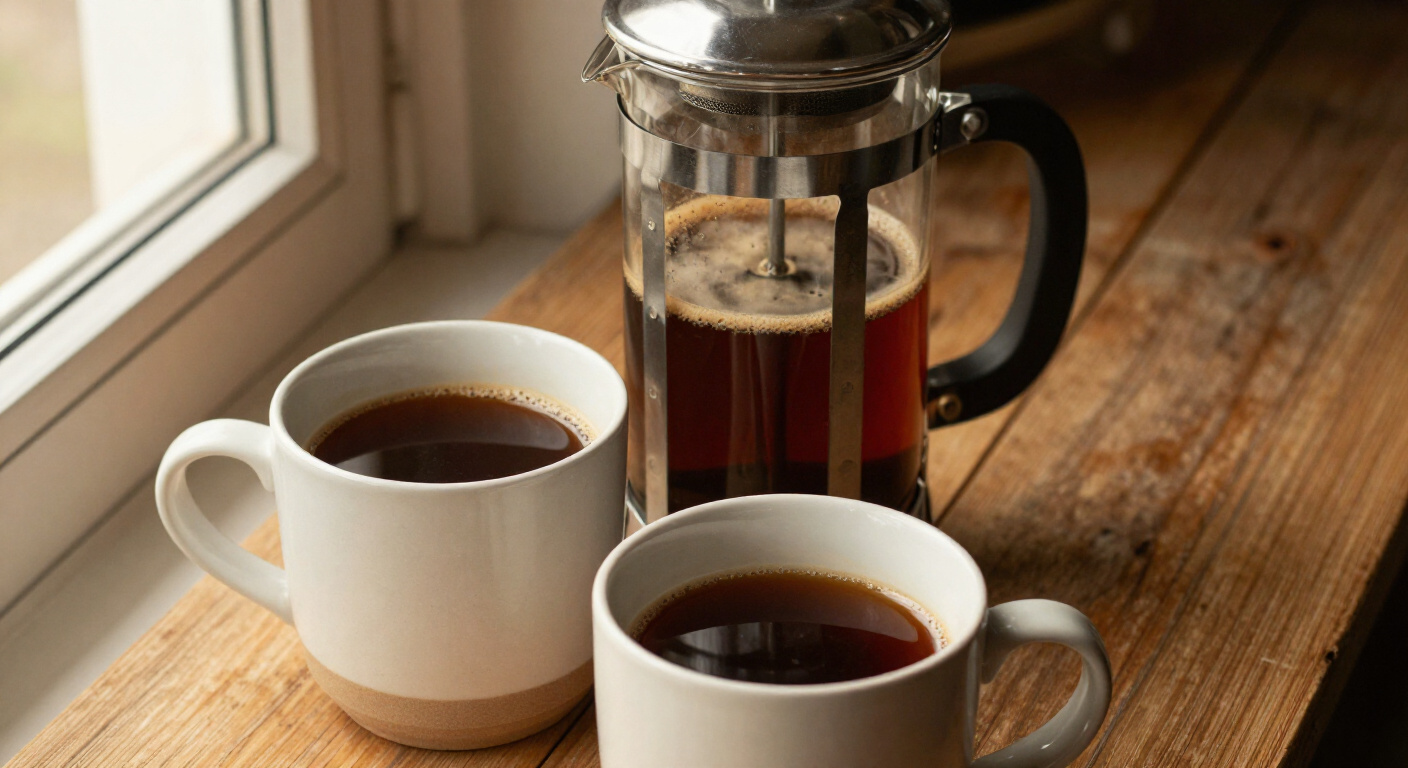
How to make french press coffee that's silky and rich in 9 minutes, plus an overnight cold brew method. Easy ratios and timing for your best morning cup.
Here's how to make french press coffee: a silky, glossy-brown cup smelling of chocolate and toasted nuts, ready in 9 minutes. No fussy machine, and the same press brews overnight cold brew. Save it for slow, quiet mornings.
Coarse grounds and a 30-second bloom let the coffee extract evenly, so the 4-minute steep pulls sweetness, not bitterness. Pouring off the grounds right away keeps every cup silky.
Ingredients You'll Need
Coarse-Ground Coffee Beans (Hot Brew): These are whole beans you grind yourself, coarse like sea salt. The chunky, gritty texture lets water flow through, so your cup tastes sweet and nutty instead of muddy. If you don't have a grinder, ask your local roaster to grind them for a French press.
Just-Off-the-Boil Filtered Water: This is clean filtered water, heated until it boils and then rested until the bubbles settle. Coffee is mostly water, so any chlorine or off flavors end up in your mug. Good bottled spring water is a fine swap if your tap tastes harsh.
Extra-Coarse Ground Coffee Beans (Cold Brew): These are whole beans ground even bigger, craggy and uneven like cracked peppercorns. The big pieces steep slowly overnight and give you a smooth, chocolatey concentrate. They also strain cleanly through the mesh. In a pinch, use your coarsest grinder setting and add a little extra steeping time.
Cold Filtered Water: This is fridge-cold filtered water, around 40°F. Cold water pulls flavor gently, so you get a mellow, low-bitterness brew with a deep mahogany color. Chilled bottled spring water works just as well.


How to Make It (Step by Step)
It all happens in the press: grind coarse, bloom, steep four minutes, plunge slowly, and pour, or steep cold overnight for chocolatey cold brew.
Even if you've never touched a French press, your first cup will come out silky and fragrant.

- Heat the filtered water in a kettle until it just boils, then rest it off the heat until the rolling bubbles settle. That takes 30-60 seconds and lands near 200°F / 93°C. Water that's too hot scorches the coffee. This little pause is my favorite quiet moment of the morning.

- Grind 30 grams of whole beans coarse, like sea salt, for 15-20 seconds at room temperature (70°F / 21°C). Stop when the grounds feel gritty and chunky between your fingers. They should never feel powdery. They'll smell sweet, nutty and wildly fragrant.

- Tip the grounds into the press and pour in the 200°F / 93°C water. Fill it halfway first, then top up to 500 milliliters. Let it bloom for 30 seconds, until a puffy tan crust rises and gently bubbles.

- Stir the crust gently with a wooden spoon, then set the lid on with the plunger pulled all the way up. Steep for 4 minutes at about 195-200°F / 90-93°C. The coffee should turn deep, glossy brown. In a Stanley press, just trust the timer. The steel walls hide everything and hold the heat beautifully.

- Press the plunger down slowly and steadily for 20-30 seconds while the coffee is still near 195°F / 90°C. Stop when the mesh meets the bottom. You should feel gentle, even resistance. If it fights you, ease off and keep pushing slowly.

- Pour the coffee into two mugs right away, about 1 minute at 180-185°F / 82-85°C. Look for a silky, dark brew with a thin layer of fine crema. Never leave it sitting on the grounds. It turns bitter fast.

- Grind 60 grams of whole beans extra-coarse for cold brew, like cracked peppercorns. It takes 10-15 seconds at room temperature (70°F / 21°C). The pieces should look craggy and uneven, bigger than your hot-brew grind.

- Add the grounds to the press and pour in 500 milliliters of cold filtered water at about 40°F / 4°C. Stir for 1 minute, until every last ground is wet and nothing dry floats on top.

- Set the lid on with the plunger up, then chill the press overnight for 12-16 hours at 38°F / 3°C. By morning it should look deep, dark and almost opaque. It'll smell like chocolate.

- Press the plunger down slowly for 20-30 seconds, still cold at 38°F / 3°C. Then pour the concentrate over ice. It should be smooth and mahogany-dark. I carry mine to the porch with the dog every time.

Cold brew keeps five days chilled, but hot coffee tastes flat reheated, and spring water works if you lack filtered. Grind the night before, never fine, or sludge slips past the mesh.
Serving size: 1 portion · Calories: 5 · Total Fat: 0g · Saturated Fat: 0g · Carbs: 0g · Fiber: 0g · Sugar: 0g · Protein: 0.3g · Sodium: 5mg
Tips and Tricks
- Equipment: Reach for an insulated steel press like the Stanley: Double steel walls hold the heat through the full 4-minute steep. You can't peek inside, so trust your timer. Glass presses work too, but they cool faster.

- Temperature precision: Wait 30-60 seconds off the boil: Let the rolling bubbles settle before you pour. That lands you near 200°F / 93°C. Boiling water scorches the grounds and leaves a harsh, ashy edge. This pause is when I breathe.
- Common mistake: Plunging too fast: Slamming the plunger forces hot coffee and grit up around the mesh. Press slowly for 20-30 seconds with gentle, even resistance. If it fights you, ease off and keep going.
- Flavour upgrade: Add a pinch of cinnamon to the grounds: Stir it in before the bloom. It warms up the nutty, chocolatey notes without tasting like dessert. It's lovely on a chilly Vermont porch.
- Texture tip: Pour gently and leave the last splash behind: Pour into your mugs right after pressing, slow and steady. Skip the final cloudy sip in the bottom. You'll get a silky, glossy cup with a thin, fine crema on top.

Frequently Asked Questions
Can I use decaf beans or oat milk in french press coffee?
Yes, swap in 30 grams of coarse-ground decaf beans with the same 4-minute steep, or 60 grams for overnight cold brew. For dairy-free mugs, stir 2-3 tablespoons of warmed oat or almond milk into each cup, adding creaminess for roughly 30-40 extra calories.
Can I freeze leftover french press coffee or cold brew for later?
Pour leftover hot coffee or cold brew concentrate into ice cube trays and freeze for up to 1 month, then drop the cubes into iced coffee so it never tastes watered down. For a warm mug, melt 4-5 cubes in a small saucepan over low heat until steaming, about 3 minutes.
Why does my french press coffee taste weak and sour instead of rich?
It's under-extracted, usually because the water cooled too much or the grind was coarser than sea salt. Pour within a minute of boiling (about 200°F), weigh 30 grams per 500 milliliters, and steep the full 4 minutes until the brew turns deep, glossy brown.
What to Serve With This
- Buttermilk Pancakes with Maple Syrup: Fluffy, buttery stacks and sticky maple soften the coffee's dark, roasty edge, just like my porch mornings.
- Lemon Blueberry Scones: Bright, zesty lemon and juicy berries cut through the deep, chocolatey brew with a tender, crumbly bite.
- Greek Yogurt with Honey and Fresh Berries: Cool, tangy, and velvety, it balances a hot, bold mug with something light and fresh.
- Dark Chocolate Almond Biscotti: Crisp, crunchy, and made for dunking, they echo the coffee's cocoa notes against its silky body.

How to Make French Press Coffee: Silky Hot Brew and Cold Brew
Drink / French
- Prep
- 5 min
- Cook
- 4 min
- Total
- 9 min
- Servings
- 2
- Calories
- 5 kcal
Ingredients
- 30 grams (about 4 heaping tablespoons) whole coffee beans, ground coarse like sea salt
- 500 milliliters (about 2 cups) filtered water, heated to about 200°F, just off the boil
- 60 grams (about ¾ cup) whole coffee beans, ground extra-coarse like cracked peppercorns
- 500 milliliters (about 2 cups) cold filtered water
Instructions
- Heat the filtered water in a kettle until it just boils, then rest it off the heat until the rolling bubbles settle. That takes 30-60 seconds and lands near 200°F / 93°C. Water that's too hot scorches the coffee. This little pause is my favorite quiet moment of the morning.
- Grind 30 grams of whole beans coarse, like sea salt, for 15-20 seconds at room temperature (70°F / 21°C). Stop when the grounds feel gritty and chunky between your fingers. They should never feel powdery. They'll smell sweet, nutty and wildly fragrant.
- Tip the grounds into the press and pour in the 200°F / 93°C water. Fill it halfway first, then top up to 500 milliliters. Let it bloom for 30 seconds, until a puffy tan crust rises and gently bubbles.
- Stir the crust gently with a wooden spoon, then set the lid on with the plunger pulled all the way up. Steep for 4 minutes at about 195-200°F / 90-93°C. The coffee should turn deep, glossy brown. In a Stanley press, just trust the timer. The steel walls hide everything and hold the heat beautifully.
- Press the plunger down slowly and steadily for 20-30 seconds while the coffee is still near 195°F / 90°C. Stop when the mesh meets the bottom. You should feel gentle, even resistance. If it fights you, ease off and keep pushing slowly.
- Pour the coffee into two mugs right away, about 1 minute at 180-185°F / 82-85°C. Look for a silky, dark brew with a thin layer of fine crema. Never leave it sitting on the grounds. It turns bitter fast.
- Grind 60 grams of whole beans extra-coarse for cold brew, like cracked peppercorns. It takes 10-15 seconds at room temperature (70°F / 21°C). The pieces should look craggy and uneven, bigger than your hot-brew grind.
- Add the grounds to the press and pour in 500 milliliters of cold filtered water at about 40°F / 4°C. Stir for 1 minute, until every last ground is wet and nothing dry floats on top.
- Set the lid on with the plunger up, then chill the press overnight for 12-16 hours at 38°F / 3°C. By morning it should look deep, dark and almost opaque. It'll smell like chocolate.
- Press the plunger down slowly for 20-30 seconds, still cold at 38°F / 3°C. Then pour the concentrate over ice. It should be smooth and mahogany-dark. I carry mine to the porch with the dog every time.
Share this article
About the author
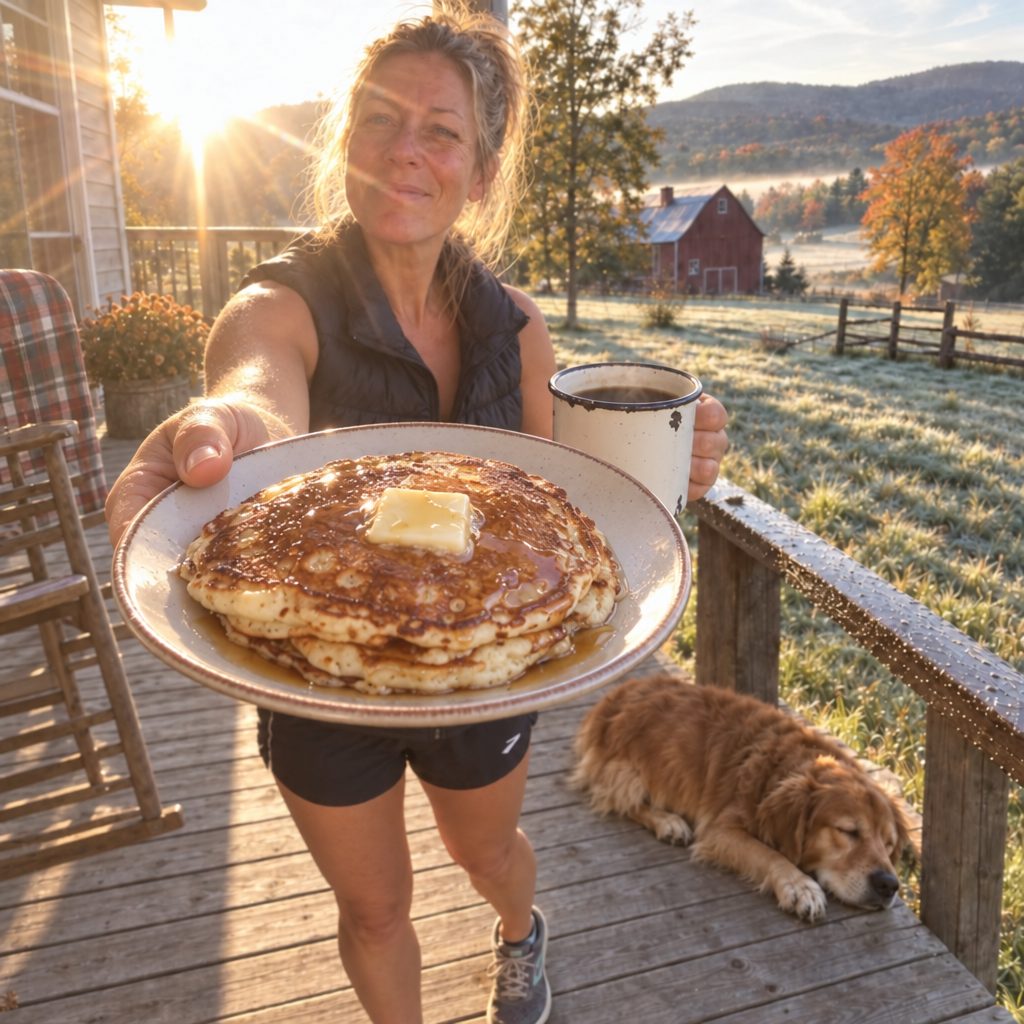
Claire Whitmore
Claire moved to a Vermont farm after burning out so badly she could not get out of bed for a month. Now she runs before sunrise and eats pancakes on the porch with a dog who saved her more than she will admit. Mornings are hers again, and she guards them like a life.